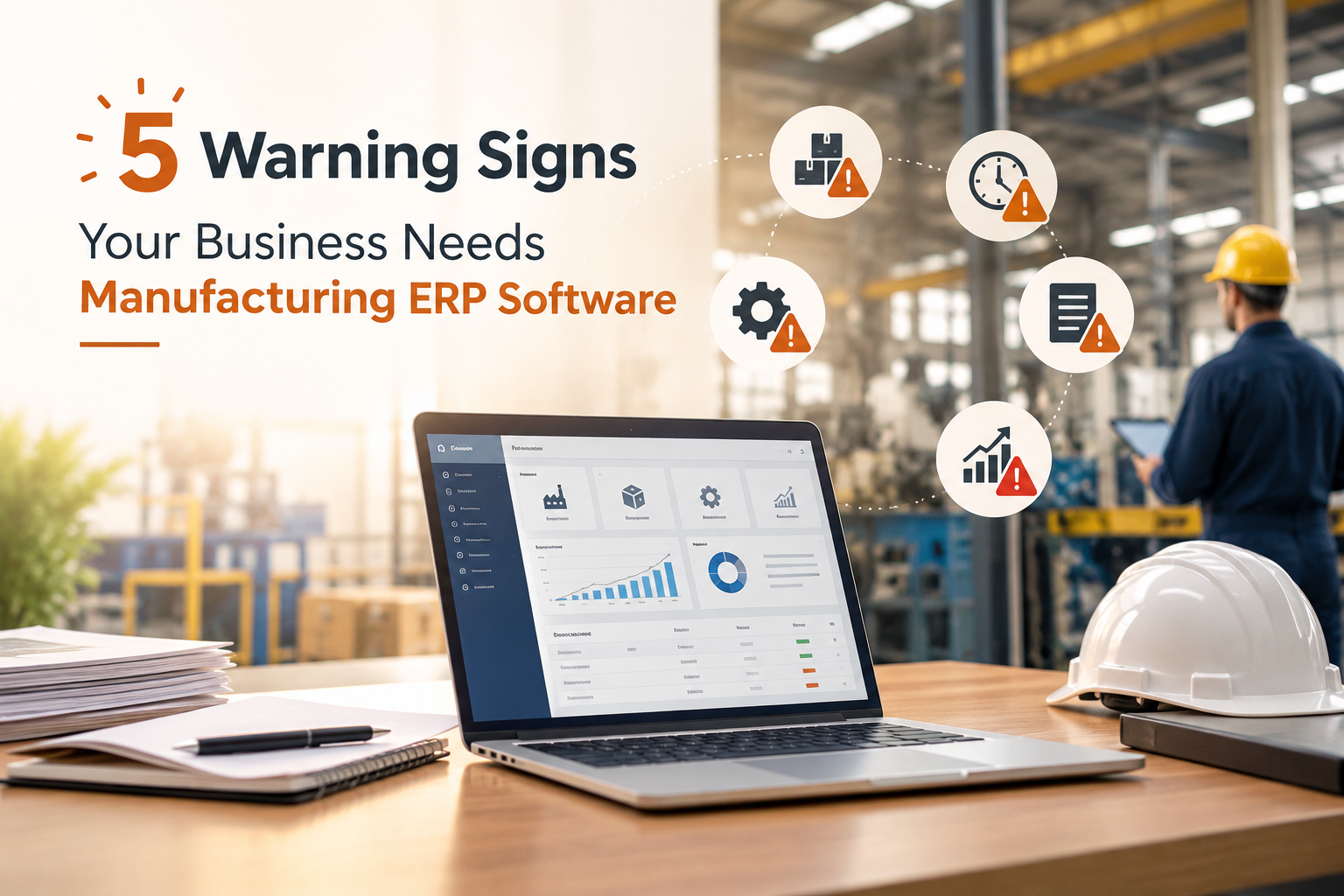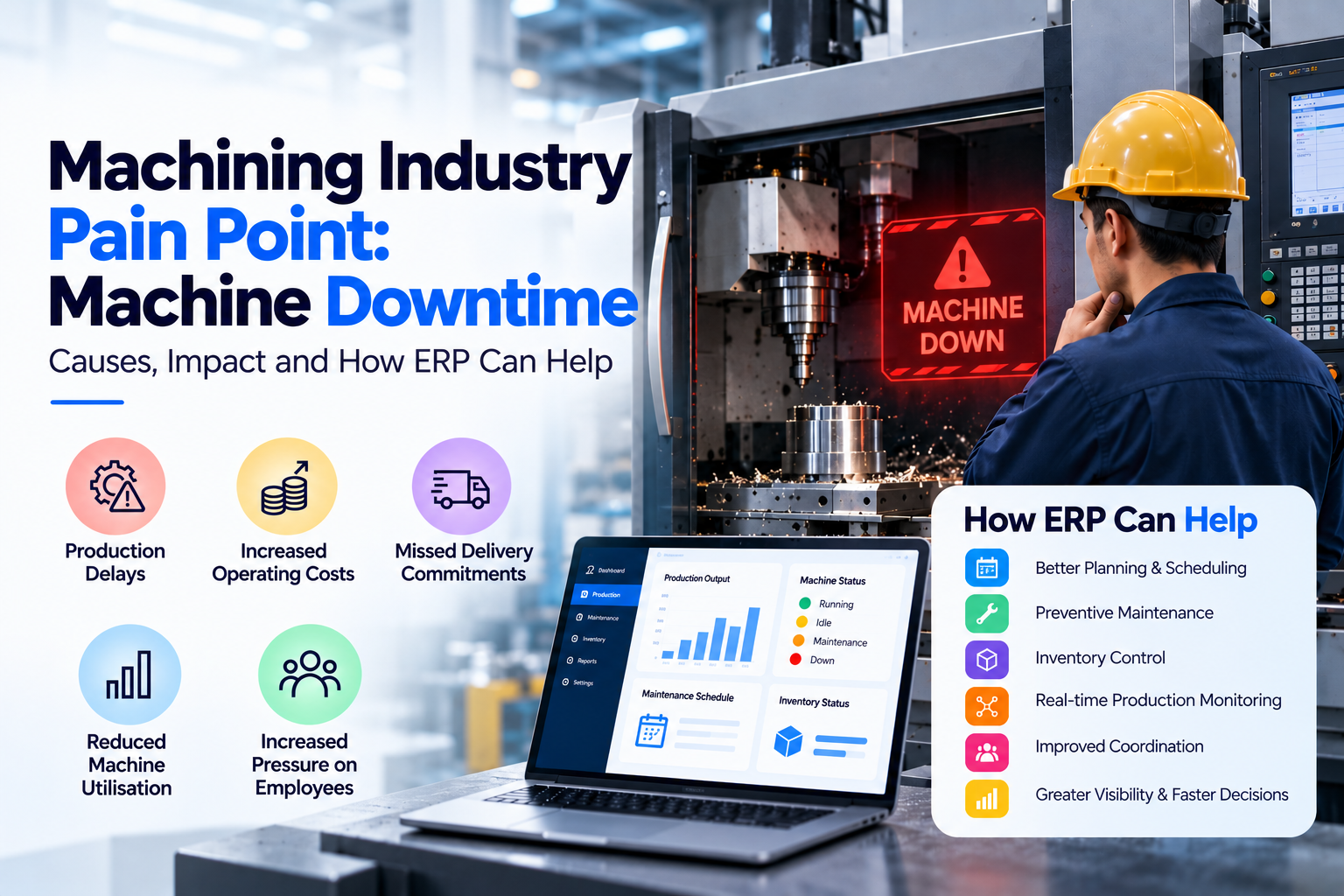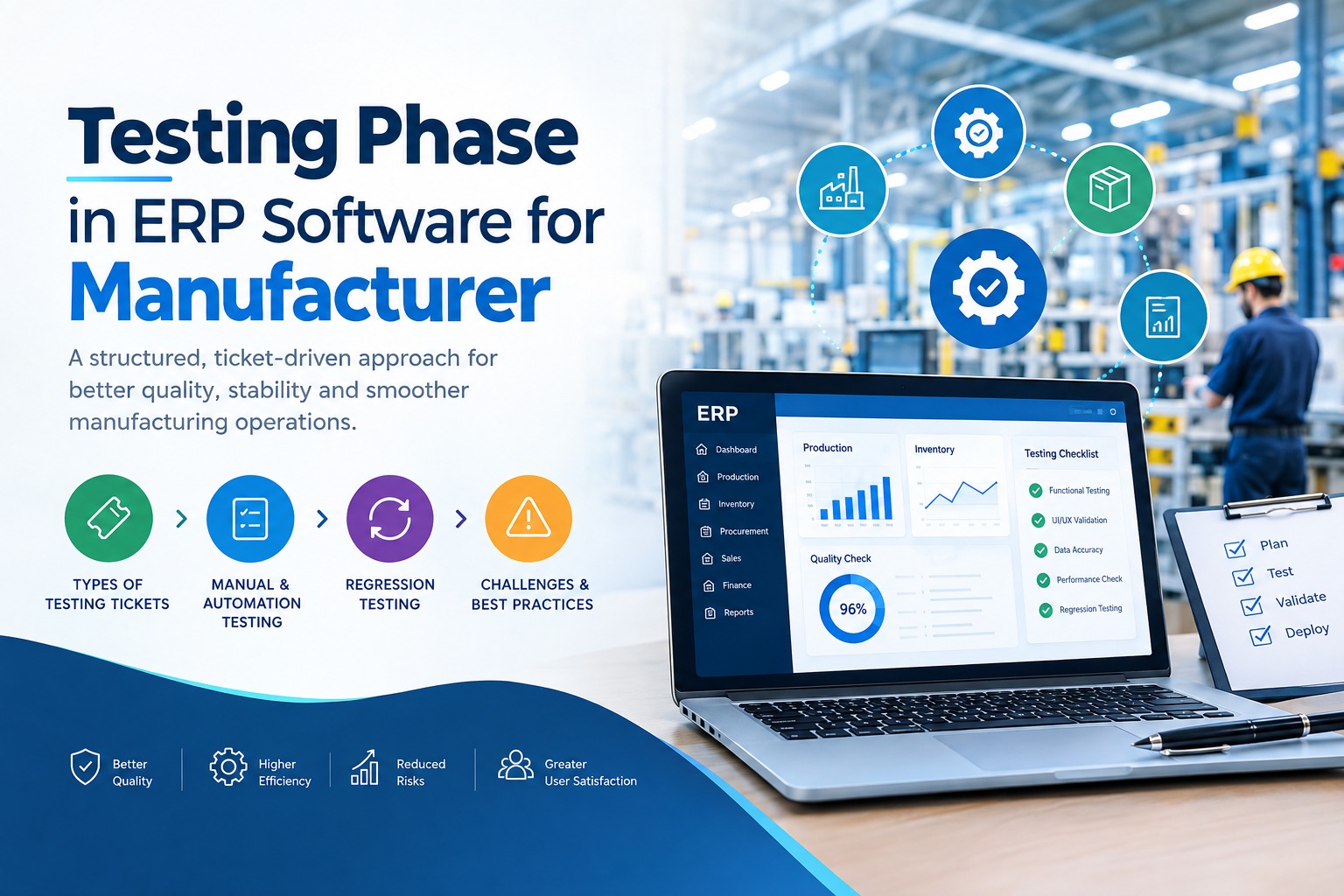
In today’s competitive industrial landscape, ERP and manufacturing go hand in hand. Manufacturers face constant challenges such as rising production costs, supply chain disruptions, inventory management issues, and increasing customer expectations. To overcome these challenges and improve efficiency, businesses are increasingly investing in Enterprise Resource Planning (ERP) systems.
The relationship between ERP and manufacturing has become essential for companies that want to streamline operations, improve productivity, and make data-driven decisions. A manufacturing ERP system integrates all business processes into a single platform, providing real-time visibility across departments and helping organizations achieve operational excellence.
What is ERP in Manufacturing?
ERP (Enterprise Resource Planning) is a software solution that integrates various business functions, including production, inventory, procurement, sales, finance, and human resources. In the context of ERP and manufacturing, the system acts as a centralized platform that connects every stage of the manufacturing process.
Manufacturing companies use ERP software to automate workflows, monitor production activities, manage resources efficiently, and maintain accurate records. By implementing an ERP system, manufacturers can eliminate manual processes, reduce errors, and improve overall business performance.
Why ERP and Manufacturing Are Essential Together
The integration of ERP and manufacturing enables businesses to gain complete control over their operations. Traditional manufacturing systems often rely on disconnected software applications and spreadsheets, leading to data silos and inefficiencies.
A manufacturing ERP solution helps organizations:
-
Improve production planning and scheduling
-
Optimize inventory levels
-
Reduce operational costs
-
Enhance supply chain visibility
-
Improve product quality
-
Increase customer satisfaction
-
Enable real-time reporting and analytics
By combining ERP and manufacturing, companies can create a more agile and responsive production environment.
Key ERP Modules for Manufacturing Companies
A manufacturing ERP system consists of multiple modules designed to manage specific business functions. Understanding these modules is crucial when evaluating ERP and manufacturing solutions.
1. Production Planning and Control Module
Production planning is one of the most critical aspects of manufacturing. This module helps manufacturers:
-
Create production schedules
-
Allocate resources effectively
-
Monitor shop floor activities
-
Track work orders
-
Reduce production bottlenecks
With proper planning, manufacturers can meet customer demands while minimizing production delays.
2. Inventory Management Module
Inventory management plays a vital role in ERP and manufacturing. Excess inventory increases carrying costs, while insufficient inventory can lead to production disruptions.
This module helps businesses:
-
Track raw materials and finished goods
-
Monitor stock levels in real time
-
Automate inventory replenishment
-
Reduce stock shortages and overstocking
-
Improve warehouse management
Accurate inventory control ensures smooth production operations and better cash flow management.
3. Procurement and Purchase Management Module
Manufacturing companies depend on reliable suppliers for raw materials and components. The procurement module helps organizations:
-
Manage supplier information
-
Generate purchase orders
-
Track supplier performance
-
Monitor procurement costs
-
Automate purchasing workflows
An efficient procurement process contributes significantly to the success of ERP and manufacturing strategies.
4. Material Requirements Planning (MRP) Module
MRP is a core component of manufacturing ERP software. It helps determine:
-
What materials are needed
-
How much material is required
-
When materials should be ordered
The MRP module uses production schedules and inventory data to ensure materials are available when needed, reducing delays and improving production efficiency.
5. Quality Management Module
Product quality is critical for manufacturing success. This module enables companies to:
-
Conduct quality inspections
-
Track defects and non-conformities
-
Implement corrective actions
-
Ensure compliance with industry standards
-
Improve product consistency
Quality management strengthens the relationship between ERP and manufacturing by ensuring products meet customer expectations.
6. Supply Chain Management Module
Supply chain disruptions can significantly impact manufacturing operations. The supply chain management module provides:
-
End-to-end supply chain visibility
-
Supplier collaboration tools
-
Demand forecasting capabilities
-
Logistics tracking
-
Distribution management
This module helps manufacturers maintain efficient supply chain operations and respond quickly to market changes.
7. Sales and Order Management Module
Customer orders drive manufacturing activities. The sales module helps businesses:
-
Manage customer information
-
Process sales orders
-
Track order fulfillment
-
Monitor customer demand
-
Improve customer service
Integrating sales with production planning ensures that manufacturing activities align with customer requirements.
8. Finance and Accounting Module
Financial management is an essential part of ERP and manufacturing. This module helps organizations:
-
Track revenues and expenses
-
Manage accounts payable and receivable
-
Generate financial reports
-
Monitor profitability
-
Ensure regulatory compliance
Real-time financial visibility supports better decision-making across the organization.
9. Human Resource Management Module
Employees are a valuable asset in manufacturing operations. The HR module assists with:
-
Employee record management
-
Payroll processing
-
Attendance tracking
-
Workforce scheduling
-
Performance management
Effective workforce management contributes to increased productivity and operational efficiency.
10. Maintenance Management Module
Equipment downtime can result in significant production losses. The maintenance module enables manufacturers to:
-
Schedule preventive maintenance
-
Track equipment performance
-
Reduce machine breakdowns
-
Manage maintenance costs
-
Extend asset lifespan
This module ensures uninterrupted production and improved asset utilization.
Benefits of ERP and Manufacturing Integration
The integration of ERP and manufacturing offers numerous benefits that help organizations remain competitive.
Increased Productivity
Automation reduces manual tasks and allows employees to focus on higher-value activities. This leads to improved productivity across departments.
Better Decision-Making
Real-time data and advanced reporting tools provide management with actionable insights, enabling faster and more informed decisions.
Improved Inventory Control
Manufacturers gain complete visibility into inventory levels, helping them reduce waste and optimize stock management.
Enhanced Customer Satisfaction
Accurate production schedules and order tracking improve delivery performance and customer service.
Reduced Operational Costs
By streamlining processes and eliminating inefficiencies, manufacturers can significantly reduce operational expenses.
Greater Scalability
As businesses grow, ERP systems can scale to accommodate additional production facilities, product lines, and business requirements.
Choosing the Right ERP for Manufacturing
When selecting an ERP solution, manufacturers should consider several factors:
-
Industry-specific functionality
-
Scalability and flexibility
-
Ease of implementation
-
Integration capabilities
-
Reporting and analytics features
-
Cloud or on-premise deployment options
-
Vendor support and training
Choosing the right ERP system ensures long-term success and maximizes the benefits of ERP and manufacturing integration.
Conclusion
The connection between ERP and manufacturing is stronger than ever in today’s digital manufacturing environment. ERP software provides manufacturers with the tools needed to manage production, inventory, procurement, quality, finance, and supply chain operations from a single platform.
By implementing a comprehensive manufacturing ERP solution, businesses can improve efficiency, reduce costs, enhance product quality, and gain a competitive advantage. Whether you are a small manufacturing company or a large enterprise, investing in the right ERP system can transform your operations and support sustainable growth.
As manufacturing continues to evolve, the role of ERP and manufacturing will become increasingly important in driving innovation, operational excellence, and business success.